Back to School Rhinestone Template
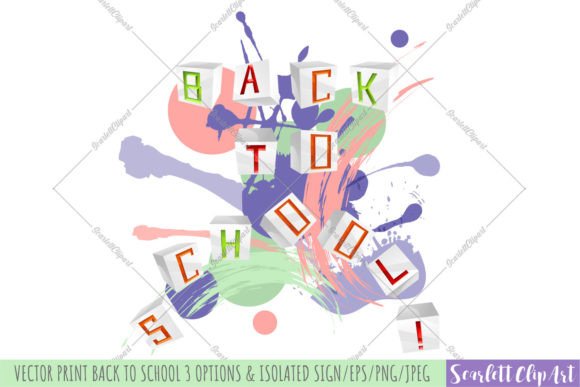
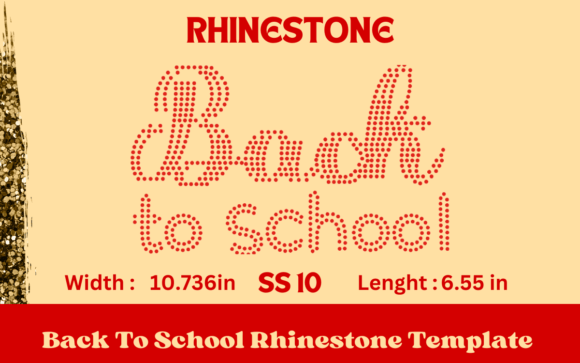
There’s something undeniably energizing about the back-to-school season—not just for students, but for makers, small business owners, and creative professionals who see it as a fresh opportunity to connect, express, and sell. The Back to School Rhinestone Template taps into that energy with precision and sparkle. Designed specifically for Cricut Maker users—and equally useful for print-and-press applications—it delivers clean lines, balanced proportions, and intentional spacing for SS10 rhinestones. At 10.736 in × 6.55 in, it fits comfortably on standard apparel and home goods while leaving room for customization.
What Makes This Template Stand Out
This isn’t just another decorative graphic. It’s a production-ready design engineered for real-world use. The included SVG file works seamlessly with Cricut Design Space—no manual adjustments needed for pressure, weeding, or stone placement. The PNG version is crisp at 300 DPI, ideal for printing iron-on transfers or vinyl stencils when you’re working without a cutting machine. Every element aligns with SS10 rhinestone sizing (2.3 mm), so stones sit flush, reflect evenly, and stay secure through washes and wear.
Unlike generic fonts or clipart-style school motifs, this template balances readability and visual impact. Letters are spaced to allow light to catch each stone individually, avoiding muddy clusters. Curves and angles are optimized for both machine cutting and hand-setting—important whether you're running 50 t-shirts for a PTA fundraiser or crafting one personalized tote for your child’s first day.
Creative Applications Beyond T-Shirts
T-shirts are the obvious starting point—but limiting yourself to apparel means missing half the potential. Consider these practical, audience-tested uses:
- Mugs and drinkware: Apply the design to ceramic mugs using rhinestone heat-transfer vinyl (HTV) or epoxy-set stones. Teachers love coffee mugs that shine—and this template scales cleanly down to 4–5 inches wide without losing clarity.
- Cushions and fabric accents: Use the PNG file to create a stencil for fabric paint or puff ink, then add rhinestones only to key letters (like “A+” or “STEM”). It adds dimension without compromising comfort.
- Classroom décor: Mount the cut-out onto foam board, then set stones by hand for bulletin board headers, door signs, or award certificates. Parents and educators consistently report higher engagement when learning spaces include tactile, reflective elements.
- Digital integration: Import the PNG into Canva or Adobe Express to layer over photos of student work, school events, or supply lists—then export as social media graphics or email headers. The sparkle translates well in high-res digital formats.
How Different Users Adapt It Strategically
A freelance designer might use the Back to School Rhinestone Template as a foundation for client-branded merch—swapping out “Back to School” for a school name or mascot, adjusting colors to match district guidelines, then delivering layered SVG files for easy editing. Small business owners selling custom apparel on Etsy or Shopify often pair it with coordinating designs (e.g., apple + pencil icons) to build themed collections—increasing average order value and repeat visits.
Educators repurpose it for incentive systems: laminating the design and letting students place removable rhinestones on letters as they complete assignments. It turns goal tracking into a sensory, collaborative activity. Bloggers and content creators use it to brand seasonal Pinterest pins or Instagram Story highlights—keeping visual consistency across platforms while signaling relevance to the academic calendar.
Practical Tips for Best Results
Start with surface prep. Rhinestones adhere best to smooth, clean fabrics like 100% cotton tees or polyester blends with tight weaves. Pre-heat press the area for 3–5 seconds to remove moisture and wrinkles—especially important if you’re using heat-activated adhesive foil.
When applying by hand, use a wax pencil or fine-tip marker to lightly trace stone positions from the template onto fabric first. That avoids shifting during placement and helps maintain symmetry. For Cricut users: double-check your material setting for “rhinestone template” in Design Space—some newer machines default to “vinyl,” which can cause overcutting.
Consistency matters most when producing multiples. Keep a master file with notes: stone count per letter, recommended pressing time (12–15 seconds at 320°F for most HTV), and washing instructions (“turn inside out, cold wash, hang dry”) to include with orders or classroom kits.
Keeping It Original and Audience-Friendly
Originality doesn’t require reinventing the wheel—it means adapting thoughtfully. Try pairing the Back to School Rhinestone Template with unexpected color palettes: deep navy + gold instead of red/white/blue, or sage green + cream for a calm, inclusive classroom vibe. Swap “Back to School” for phrases like “First Day Ready,” “My Learning Journey,” or “STEM Squad”—tailoring language to age group, subject focus, or community values.
For inclusivity, consider adding subtle texture overlays (like a faint chalkboard grain behind the letters) or offering versions with dyslexia-friendly fonts in your extended product line. These small shifts signal care without compromising the core design’s functionality.
Real Projects, Real Impact
One small business owner in Austin used this template to launch a “Teacher Appreciation Pack” featuring a rhinestone-adorned mug, a matching notebook cover, and a printable lesson planner—all branded with coordinated sparkle. She reported a 37% increase in August sales year-over-year, with customers citing the “polished yet personal” feel as a key reason for purchase.
A homeschooling parent printed the PNG onto transfer paper, applied it to denim backpacks, then hand-set stones only on the first and last letters—creating a minimalist, durable look that held up through daily commutes and field trips.
Share your project made with this product—not just for visibility, but to contribute to a growing library of real-world adaptations. What worked? What surprised you? Which variation resonated most with your audience? That kind of grounded insight helps everyone raise the bar—not just for sparkle, but for usefulness.