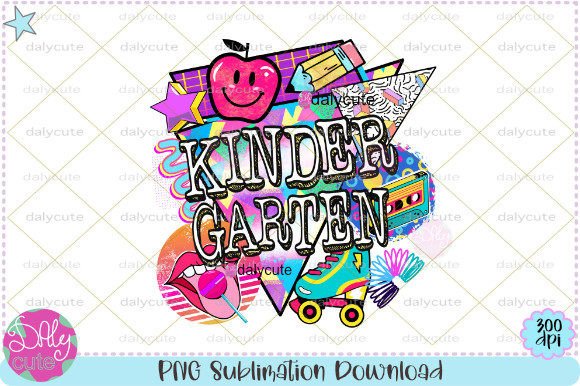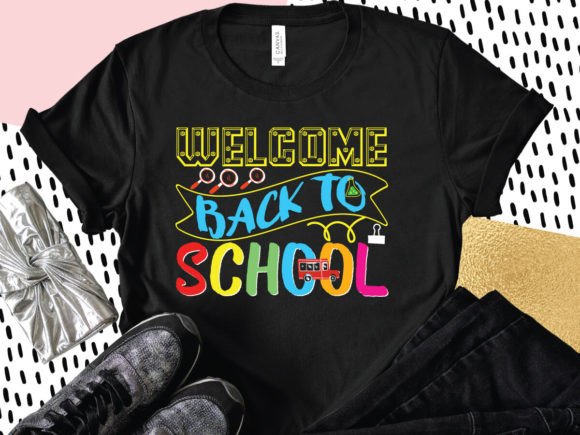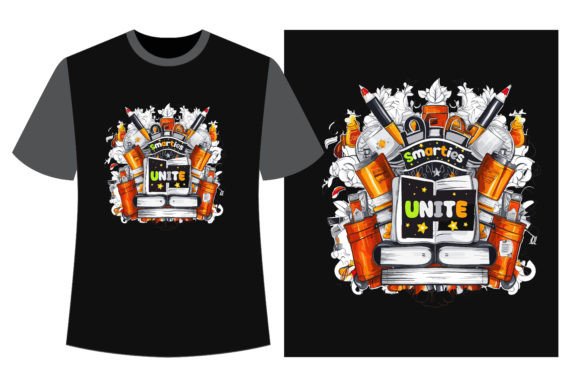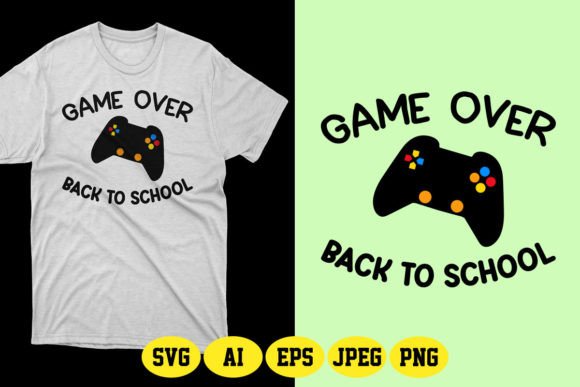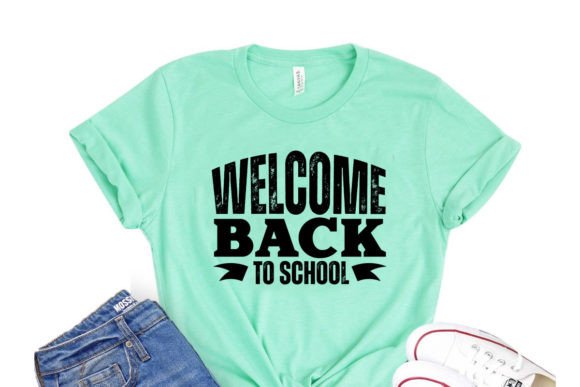
Back to School Shirt: A Practical Design Asset for Educators, Creators, and Small Business Owners
A Back to School Shirt isn’t just apparel—it’s a versatile, production-ready design asset built for real-world implementation. Whether you’re launching a school-year campaign, supporting a classroom initiative, or scaling merch for your Teespring store, this resource bridges creative intent with operational readiness. Its value lies not in novelty alone, but in how seamlessly it integrates into existing workflows—before design iteration begins, during production setup, and after final delivery.
What You’re Actually Getting—and Why Format Flexibility Matters
This Back to School Shirt design ships as a ZIP archive containing AI, EPS, PDF, SVG, PNG (4500 × 5400 px), and editable vector files. That’s not just a list of formats—it’s a deliberate alignment with common production pipelines. Designers using Adobe Illustrator or Affinity Designer rely on AI/EPS for precise layer control; print shops require PDFs with embedded fonts and CMYK-ready color profiles; social media managers pull high-res PNGs for banners and ads; SVG supports responsive web use without pixelation.
The inclusion of both raster and vector formats means you avoid last-minute conversions that degrade quality or introduce color shifts. No need to retrace outlines or reassign Pantones—you start with production-grade assets. That saves time during proofing, reduces vendor back-and-forth, and maintains brand consistency across physical and digital touchpoints.
How It Fits Into Your Workflow—Before, During, and After Launch
Before launch: Use the editable size and color features to align with your brand palette or seasonal theme. Swap navy for forest green to match a nature-based curriculum—or switch from white to heather grey for a more mature, educator-focused aesthetic. Because the file is fully layered and labeled, adjusting text weight, spacing, or icon placement takes seconds—not hours.
During execution: Upload the SVG directly into Canva for quick social posts, drop the EPS into your DTG printer’s RIP software, or import the AI file into a mockup generator like Placeit to preview on multiple shirt styles. If you’re managing a school PTA fundraiser, send the PDF to your local print shop with clear bleed and trim specs already embedded—no follow-up calls needed.
After deployment: Repurpose the same source file across channels. Pull the “Welcome back to school” typography for email headers, extract the sun-and-book icon for newsletter dividers, or isolate the background pattern for printable classroom posters. One asset, multiple outputs—without sacrificing resolution or fidelity.
Real-World Integration Examples
- Educators: Print the design on lightweight cotton tees for student orientation day, then reuse the SVG in Google Slides to build an interactive first-week agenda. The consistent visual language reinforces familiarity without extra design labor.
- Freelance designers: Offer this as a customizable base for clients launching back-to-school campaigns. Edit colors, add school logos, or adjust layout in under 15 minutes—then deliver ready-to-print files and social variants in one package.
- Small business owners: Bundle the shirt with custom notebooks or tote bags using matching color schemes. Since the vector file includes separate layers for text, icons, and background elements, adapting it for embroidery digitizing or screen-print separations requires minimal prep.
- Bloggers and content creators: Feature the design in a “Back to School Resource Roundup” post. Embed the high-res PNG in your article, link to your Teespring storefront, and include a short note about editable customization—readers appreciate transparency about usability, not just aesthetics.
Compatibility and Usability: What Makes This More Than Just Another Template
Many free or low-cost designs promise flexibility but fall short when tested against real tools. This Back to School Shirt was built with cross-platform reliability in mind. Text remains editable in Illustrator even after color changes. Paths are simplified—not overly complex—so they scale cleanly down to 2-inch chest prints or up to 48-inch vinyl banners. Transparency is preserved in PNG exports, enabling clean overlays on photos or gradients without manual masking.
It also respects platform-specific constraints. The 4500 × 5400 px PNG meets Teespring’s recommended upload dimensions for front-print shirts. The EPS includes outlined fonts and embedded ICC profiles, minimizing color mismatch between screen and garment dye. And because the SVG uses semantic naming (e.g., “icon-sun”, “text-slogan”), developers can target individual elements via CSS or JavaScript if embedding interactivity.
Efficiency Gains You’ll Notice Within Minutes
Time saved isn’t theoretical—it’s measurable in your daily rhythm. Consider these typical friction points and how this asset resolves them:
- Recoloring takes 90 seconds instead of 12 minutes — thanks to grouped, non-destructive color swatches in the AI file.
- No font licensing headaches — all type is outlined or replaced with system-safe alternatives in exported PDFs.
- No version confusion — the ZIP includes a README with format use cases and minimum resolution guidelines for each output type.
- No vendor miscommunication — the PDF export includes crop marks, bleed, and a print-ready color bar for press checks.
Long-Term Use and Quality Control
This isn’t a one-off seasonal graphic. Its clean structure supports iterative updates year after year. Change “2024” to “2025” with a single text edit. Swap out the chalkboard texture for a watercolor wash next season—while keeping layout, hierarchy, and spacing intact. Because the vector foundation is stable, your brand voice stays cohesive even as visuals evolve.
For teams, assign ownership: one person manages the master AI file, another handles social PNG exports, and a third oversees print-ready PDF generation. With clearly separated layers and documented color codes, handoffs stay smooth—even across remote collaborators or freelance contractors.
Getting Started Is Intentional—Not Just Clicking Download
Before downloading, ask yourself two questions: Where does this fit in my current workflow? and What’s the smallest viable use case to test it? Maybe it’s updating your Instagram story template for August. Or prepping five shirt mockups for a PTA vote. Or adding a branded banner to your teacher newsletter.
Then open the ZIP, scan the README, and open the AI file—not to redesign, but to observe. Notice how layers are organized. Try changing one color. Export a PNG at 2000 px wide and drop it into a Canva social post. That’s not just testing a file. It’s stress-testing integration—before you commit time, budget, or client expectations.
A Back to School Shirt that works well doesn’t shout. It adapts quietly, scales reliably, and delivers consistent results—whether you’re outfitting 10 students or launching a 10,000-unit campaign. Its strength is in its readiness: no guesswork, no gaps, no rework. Just clarity, control, and continuity—from concept to classroom.